Corn toss, also known as bean bag toss or cornhole, is a popular outdoor game enjoyed by people of all ages. The game consists of players tossing bags filled with corn kernels or beans at a raised platform with a hole in it. While the gameplay can be simple and casual, the standards and specifications for the bags used in this game can be quite detailed. This article serves as your ultimate guide to understanding the regulations surrounding corn toss bags, ensuring that you have the right equipment for competitive play.
Understanding Corn Toss Bags
Corn toss bags are essential components of the game, and their specifications can greatly influence gameplay. Here’s a brief overview of what you need to know:
- Material: Traditionally, corn bags are made from durable fabric, often cotton or a synthetic blend, which can withstand repeated tossing.
- Filling: While corn kernels are traditional, many modern bags use synthetic materials or plastic pellets for durability and consistency.
- Dimensions: Regulation bags must meet specific size and weight criteria.
Regulation Standards for Corn Toss Bags

To ensure fair play, several organizations have established regulations for corn toss bags. The American Cornhole Organization (ACO) and the American Cornhole League (ACL) are the most recognized governing bodies in the sport. Here’s a breakdown of their standards:
Size and Weight
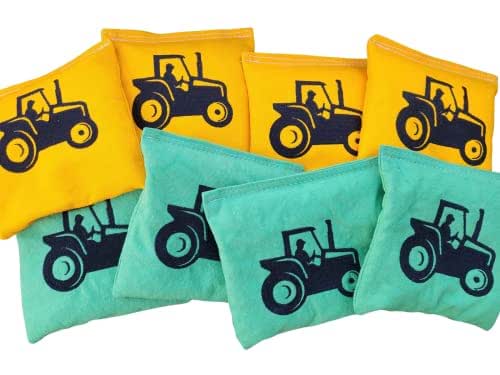
According to ACO and ACL regulations, the bags used in official play must adhere to the following specifications:
- Dimensions: Each bag should measure 6 inches by 6 inches.
- Weight: The weight of the filled bag should be between 14 to 16 ounces.
Materials

The materials used for corn toss bags are crucial for their performance. Here are the specifications:
- Fabric: The outer shell should be made from a durable fabric like duck canvas or a similar material that can resist wear and tear.
- Filling: While traditional bags are filled with corn, the use of synthetic materials is encouraged for consistency in weight and reduced moisture absorption.
Construction and Design
The construction of corn toss bags also plays a significant role in their performance. Here are some design elements to consider:
- Stitching: Double stitching is recommended for durability, ensuring that the bags do not rip or burst during use.
- Seam Type: The seams should be reinforced to withstand the impact of tossing and landing on various surfaces.
Performance Characteristics

The performance of corn toss bags can be influenced by several factors:
- Weight Distribution: A well-balanced bag will have even weight distribution, allowing for consistent flight and landing.
- Surface Grip: The fabric should provide adequate grip while still allowing the bag to slide on the board surface.
- Moisture Resistance: Bags that absorb moisture can become heavy and affect gameplay; therefore, moisture-resistant materials are preferred.
Case Studies: Real-World Applications
Understanding the regulations and specifications is vital for both casual players and competitive leagues. Here are a couple of case studies that highlight the importance of adhering to these standards:
Case Study 1: The Rise of Competitive Cornhole

In recent years, cornhole has gained popularity as a competitive sport, with leagues forming across the United States. Tournaments sanctioned by organizations like the ACO and ACL have strict regulations on equipment. For example, during the 2022 ACL World Championship, teams were disqualified for using non-compliant bags that did not meet weight and size specifications. This incident underscored the importance of adhering to regulations for fair competition.
Case Study 2: The Impact of Material Changes
A study conducted by the University of Nebraska looked into the performance differences between traditional corn-filled bags and synthetic-filled bags. The results indicated that synthetic bags had a more consistent weight and performance across varying weather conditions, leading to improved gameplay. This finding has led many leagues to adopt synthetic materials as the standard for competitive play.
Choosing the Right Corn Toss Bags
Selecting the right corn toss bags can significantly impact your experience, whether you’re playing for fun or competing. Here are some factors to consider:
- Intended Use: Determine whether you will be playing casually or in a competitive setting, as this will influence your choice of bags.
- Budget: Prices can vary widely based on materials and brand. Consider what you are willing to spend.
- Brand Reputation: Look for reputable brands known for high-quality products that meet regulatory standards.
In conclusion, understanding the regulations and specifications for corn toss bags is vital for anyone looking to enjoy the game, whether recreationally or competitively. From size and weight to materials and construction, each aspect plays a crucial role in the overall performance of the bags. By adhering to the standards set by governing bodies like the ACO and ACL, players can ensure a fair and enjoyable experience. Whether you’re a seasoned competitor or a casual player, ensuring you have the right corn toss bags will enhance your gameplay and enjoyment of this beloved outdoor sport.
