Bicycle ergonomics plays a crucial role in the comfort and efficiency of riding. One considerable factor in this equation is the bicycle stem, which connects the handlebars to the bike’s fork. While many cyclists may overlook its importance, the length and angle of a bicycle stem can significantly impact riding experience. In recent years, short bicycle stems have gained popularity among various types of cyclists. This article will explore the numerous benefits of using a short bicycle stem, including improved handling, enhanced comfort, and better performance.
Understanding Bicycle Stems

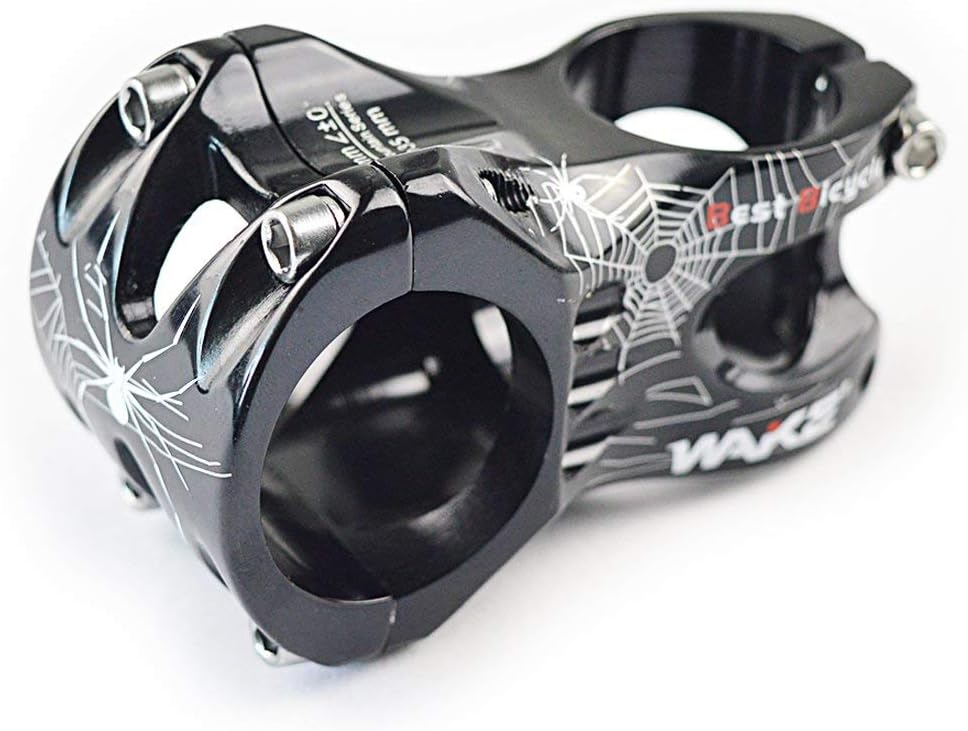
Before diving into the benefits of short bicycle stems, it’s essential to understand what they are and how they function. The bicycle stem’s primary purpose is to connect the handlebars to the steerer tube of the fork. It comes in various lengths, with short stems generally varying from 50mm to 70mm. In contrast, traditional stems typically range from 80mm to 130mm or longer.
Short stems are often characterized by their compact design, allowing for a more upright riding position and a different weight distribution on the bike. This compact design not only alters the bike’s aesthetics but also its overall performance.
Benefits of Short Bicycle Stems
1. Improved Handling

One of the most significant advantages of using a short bicycle stem is improved handling. Cyclists with shorter stems often experience the following:
- Quicker Steering Response: Short stems allow for a shorter moment arm, which means that even slight movements of the handlebars result in a more immediate response from the bike. This quick responsiveness is particularly advantageous in technical riding situations, such as navigating tight corners or challenging terrains.
- Better Maneuverability: Riders can make sharper turns and adjustments, improving their overall control of the bike. This maneuverability is essential for mountain biking or urban cycling, where agility is often required.
2. Enhanced Comfort
Comfort is paramount for any cyclist, whether on long-distance rides or short commutes. A short stem can contribute to a more comfortable riding experience in several ways:
- Upright Riding Position: Short stems typically lead to a more upright riding position, reducing strain on the back and neck. This position can alleviate discomfort for riders who suffer from back pain or those who prefer a more relaxed posture.
- Reduced Reach: The shorter reach to the handlebars minimizes the need for excessive stretching, which can lead to fatigue during longer rides. This is particularly beneficial for riders with shorter arms or those who may experience discomfort with traditional longer stems.
3. Better Weight Distribution

Weight distribution is a crucial aspect of bicycle performance. Short stems can enhance weight distribution in the following ways:
- Forward Weight Shift: With a shorter stem, the rider’s weight shifts forward, improving traction on the front wheel. This is especially important for climbing and descending, where maintaining grip is essential.
- Stability: Improved weight distribution can lead to increased stability at high speeds, making it easier to maintain control during fast descents or technical maneuvers.
4. Increased Aerodynamics
While many cyclists associate aerodynamics with a racing position, short stems can also play a role in achieving a more streamlined profile:
- Lowered Handlebar Height: A shorter stem can allow for a lower handlebar height, reducing wind resistance. This can be beneficial for competitive cyclists looking to maximize their speed.
- Better Positioning: The combination of a short stem and an appropriate frame size can help riders find an optimal riding position that balances comfort and aerodynamics.
5. Versatility Across Disciplines
Short bicycle stems are not just for one type of cycling; they are versatile and can benefit various cycling disciplines:
- Mountain Biking: Mountain bikers often seek agility and control, making short stems a popular choice for trail and downhill riding.
- Urban Cycling: Commuters and city riders benefit from the quick handling and comfort provided by short stems, particularly when navigating traffic and obstacles.
- Road Cycling: While traditionally associated with longer stems, road cyclists are increasingly adopting shorter stems for better handling and comfort during long rides.
Case Studies and Examples
To illustrate the benefits of short bicycle stems, let’s consider a few case studies and examples:
Case Study 1: Professional Mountain Bikers

Many professional mountain bikers have switched to shorter stems to improve their handling and maintain control during races. For instance, the 2021 World Mountain Bike Championships saw numerous competitors opting for shorter stems, which allowed them to navigate the technical course more effectively. Feedback from these athletes highlighted the advantages of quick steering response and enhanced stability on descents.
Case Study 2: Commuter Cyclists

A survey conducted among urban cyclists in major cities revealed that 78% of respondents who used shorter stems reported experiencing less discomfort during their commutes. Many noted that their ability to maneuver through traffic improved significantly, making cycling a more enjoyable and efficient mode of transportation.
Considerations When Choosing a Short Stem
While there are numerous benefits to using a short bicycle stem, cyclists should consider a few factors before making the switch:
- Frame Geometry: Ensure that the bike’s frame geometry is compatible with a shorter stem. A significant change might require adjustments in other components, such as saddle height.
- Riding Style: Consider your riding style and preferences. A short stem may not be ideal for all riders, especially those who favor a more extended reach or aggressive riding position.
- Testing: If possible, test different stem lengths to find the best fit for your needs. Many bike shops offer demo bikes with various stem lengths for riders to try.
In conclusion, short bicycle stems offer a multitude of benefits that enhance comfort, handling, and performance for cyclists across various disciplines. From improved steering response to better weight distribution, the advantages are clear. Whether you are a professional mountain biker, an urban commuter, or a road cyclist, a shorter stem may provide the edge you are looking for. As the cycling community continues to evolve, the shift towards short bicycle stems is indicative of a broader understanding of bike ergonomics and rider needs. By considering the factors discussed and exploring the potential advantages, cyclists can make informed decisions that lead to a more enjoyable and efficient riding experience.
