 By admin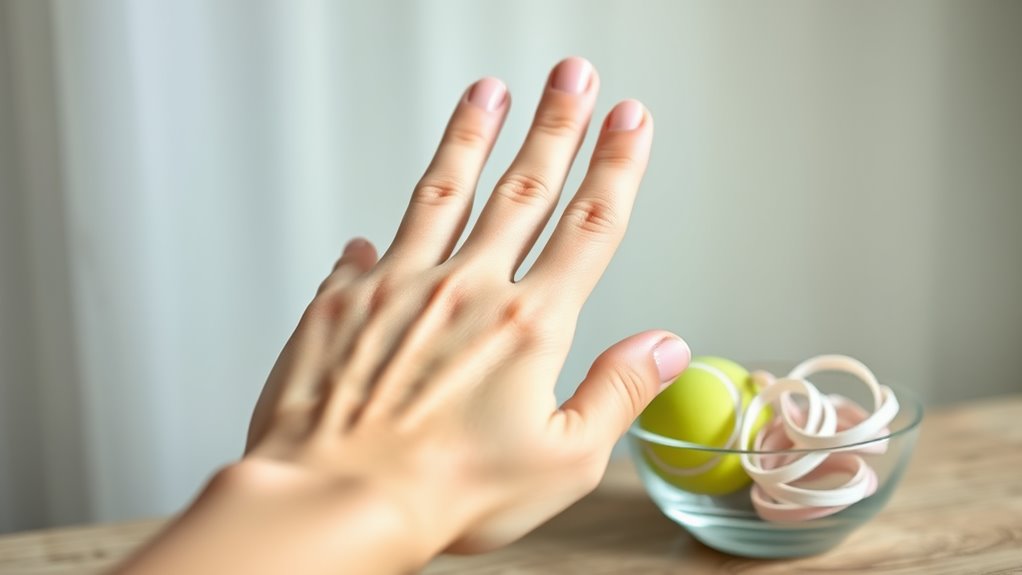
Trigger Finger No More! Try This Simple At-Home Fix!
If you’ve been struggling with trigger finger, you’re not alone. This condition can limit your finger’s movement and cause discomfort in daily tasks. Fortunately, you don’t have to rely solely on medical treatments. There are effective at-home solutions that can help manage your symptoms and restore flexibility. Curious about what steps you can take to ease the pain and regain control of your fingers? Let’s explore some practical approaches.
Understanding Trigger Finger: Causes and Symptoms
Trigger finger, or stenosing tenosynovitis, is a condition that can make your fingers get stuck in a bent position, causing discomfort and frustration.
You might notice this happening more often when you engage in repetitive activities, like typing or crafting. Aging and certain health conditions can also increase your risk.
Symptoms include pain, stiffness, or a popping sensation in your fingers. Fortunately, you can explore natural remedies for trigger finger, such as hot compresses, turmeric, or ginger. These options not only provide relief but also foster a sense of community as you share your experiences and remedies with others seeking similar support. Additionally, natural remedies can enhance the body’s innate healing mechanisms, promoting genuine relief rather than just masking symptoms.
Effective Stretching Exercises for Relief
Finding ways to alleviate the discomfort of trigger finger can significantly improve your daily activities.
Try simple stretching exercises, like the finger extension. Hold your affected hand out with fingers straight, gently pull back on each finger, holding for 5 seconds.
For a wrist stretch, extend your arm in front, palm facing up, and gently pull back on your fingers with the other hand. Do these stretches several times a day to enhance mobility.
Lifestyle Modifications to Alleviate Trigger Finger
Making small adjustments to your daily habits can significantly reduce the symptoms of trigger finger. You can start by incorporating ergonomic tools while typing or handling objects, and practicing proper hand positioning. Regular breaks during repetitive tasks also help relieve strain. Staying hydrated and maintaining a healthy diet can boost overall joint health. Additionally, reducing sodium-rich foods can further support your joint health by minimizing fluid retention.
Here’s a quick reference table for lifestyle modifications:
| Modification | Benefit |
|---|---|
| Use ergonomic tools | Reduces strain |
| Take frequent breaks | Eases tension |
| Stay hydrated | Supports joint health |
| Practice good posture | Minimizes discomfort |
| Incorporate stretching | Increases flexibility |
These changes foster a supportive environment for your recovery.
Holistic Approaches to Reduce Inflammation and Improve Mobility
While you seek relief from trigger finger, exploring holistic approaches can effectively reduce inflammation and enhance mobility.
Embracing these techniques not only fosters healing but also connects you with a supportive community of others on similar journeys.
Here are some methods to consider:
-
Gentle Stretching: Regularly practicing finger stretches promotes flexibility and easing tension. Additionally, proper hydration is crucial for overall joint health. Maintaining hydration can also help prevent excessive gas production that may contribute to discomfort in the body.
-
Turmeric Supplements: Known for its anti-inflammatory properties, turmeric can help reduce swelling.
-
Warm Compresses: Applying warmth soothes discomfort and encourages blood flow.
-
Mindfulness Meditation: Reducing stress through mindfulness enhances body awareness and can decrease perceived pain.
-
Staying Hydrated: Maintaining proper hydration can prevent stone formation and support overall joint health.
You’ve got this!