Tea drinking is an age-old tradition cherished around the world, but the modern convenience of tea bags has transformed the way many people enjoy their favorite brew. The choice of tea bag material, particularly between silk and paper, has become a topic of discussion among tea enthusiasts. This article delves into the characteristics of silk and paper tea bags, evaluates their pros and cons, and ultimately aims to determine which material reigns supreme in the realm of tea brewing.
Understanding Tea Bag Materials
Tea bags are typically made from two main materials: paper and silk. Each of these materials has unique qualities that affect the tea brewing experience, flavor extraction, and environmental impact.
The Composition of Paper Tea Bags
Paper tea bags are generally made from a blend of wood pulp and sometimes include food-grade adhesives. They are often bleached to create a white or light-colored appearance, although unbleached options are available.
The Composition of Silk Tea Bags
Silk tea bags, on the other hand, are made from a nylon or polyester mesh that mimics the texture of silk. These bags are designed to allow for greater water flow and flavor extraction compared to their paper counterparts.
The Brewing Experience
The material of a tea bag can significantly influence the brewing experience. Here’s a look at how silk and paper fare in this aspect:
Flavor Extraction
- Silk Tea Bags: The mesh structure allows for maximum infusion of flavor and aroma. The larger surface area of silk tea bags means that the tea leaves can unfurl more fully, releasing essential oils and flavors.
- Paper Tea Bags: While paper bags can deliver decent flavor, they may not allow the tea leaves to expand fully, which can hinder flavor extraction. However, quality paper bags are designed to mitigate this issue.
Brewing Time

Because silk bags provide better flow, the brewing time can often be shorter compared to paper bags. This can be an advantage for those who prefer a quick cup of tea.
Environmental Considerations
As consumers become more environmentally conscious, the sustainability of tea bag materials has garnered attention. Here’s a breakdown of the environmental impact of both materials.
Paper Tea Bags

- Typically biodegradable and compostable, making them a more eco-friendly option.
- Production of paper tea bags can still involve chemical processes, especially with bleached varieties.
- Most reputable brands now offer unbleached options, further enhancing their sustainability profile.
Silk Tea Bags

- While silk tea bags often offer a luxurious feel, they are generally made from synthetic materials, which are not biodegradable.
- The production of synthetic materials like nylon and polyester can result in higher carbon emissions and environmental degradation.
- Some brands are working on developing biodegradable silk alternatives, but these are not yet widely available.
Health and Safety Considerations
When it comes to health and safety, the materials used in tea bags can also play a significant role.
Paper Tea Bags
- Paper tea bags are generally considered safe for brewing tea, but the bleached variety may contain trace amounts of dioxins, which can leach into the tea.
- Unbleached paper tea bags are a safer choice for health-conscious consumers.
Silk Tea Bags

- Silk tea bags made from nylon or polyester may release microplastics into the tea when brewed, raising health concerns.
- The FDA has not deemed these materials unsafe, but growing evidence suggests that microplastics can have adverse health effects.
Cost Analysis
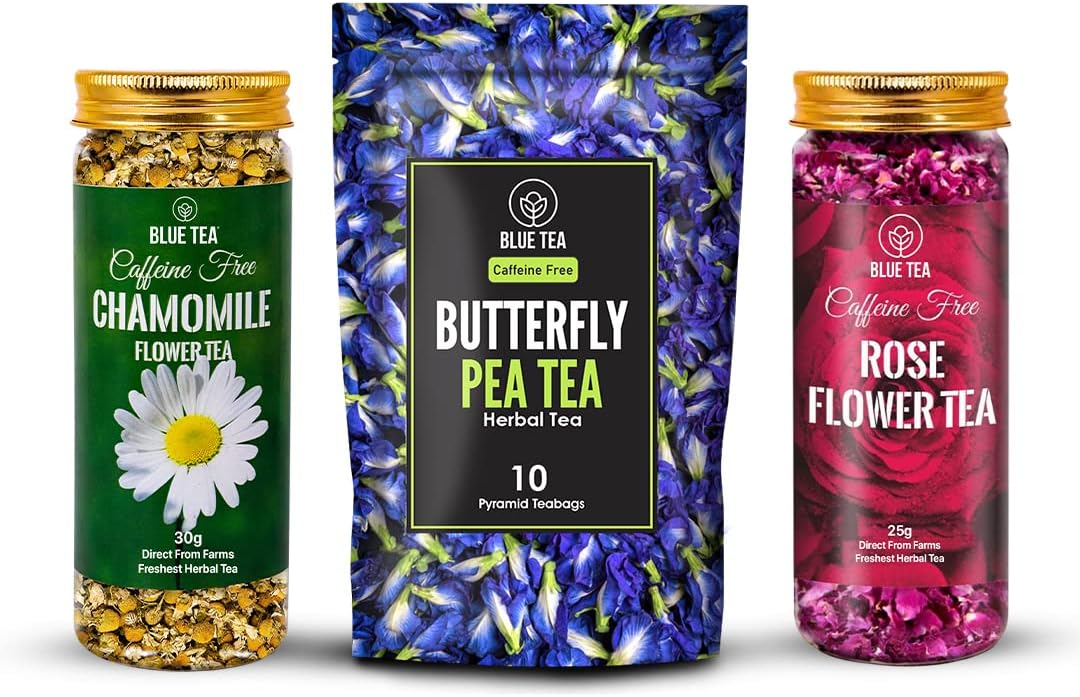
Cost is another crucial factor when deciding between silk and paper tea bags. Generally, silk tea bags are priced higher than their paper counterparts, largely due to the materials and manufacturing processes involved.
- Paper Tea Bags: Typically range from $0.05 to $0.25 per bag, making them a cost-effective option for daily tea drinkers.
- Silk Tea Bags: Usually priced between $0.20 and $0.50 per bag, appealing to those willing to pay a premium for quality.
Case Studies and Consumer Preferences
To understand consumer preferences better, several surveys and studies have been conducted. A 2022 survey by the Specialty Tea Association revealed:
- Preference for Flavor: 68% of respondents preferred silk tea bags for their superior flavor extraction.
- Environmental Impact: 52% of consumers prioritized eco-friendly options, favoring paper tea bags.
- Health Concerns: 40% expressed concern over microplastics in silk tea bags.
These findings indicate a significant divide in consumer preferences, with many tea drinkers weighing flavor against sustainability and health concerns.
Which Reigns Supreme?

In the battle of silk vs. paper tea bags, there is no one-size-fits-all answer. Each material has its advantages and disadvantages, and the choice largely depends on individual preferences and priorities.
Silk tea bags excel in flavor extraction and provide a premium tea experience, making them suitable for connoisseurs willing to pay a little extra for quality. However, concerns surrounding microplastics and environmental sustainability can deter eco-conscious consumers.
Paper tea bags, particularly unbleached varieties, offer a more environmentally friendly option that is generally safer for health-conscious individuals. While they may not provide the same level of flavor intensity as silk, advancements in tea bag design are closing this gap.
Ultimately, your choice between silk and paper tea bags should align with your values, preferences, and lifestyle. Whether you prioritize flavor, sustainability, or health, understanding the nuances of each material will help you make an informed decision in your tea-drinking journey.
