As urbanization continues to rise, cities around the world are grappling with the pressing need to incorporate greenery into their landscapes. Urban greenery—defined as the presence of trees, parks, and green spaces in metropolitan areas—offers numerous benefits, including improved air quality, enhanced mental health, and increased biodiversity. However, the introduction of large, artificial trees in urban settings has sparked a heated debate over the authenticity and effectiveness of these solutions. Are they genuine efforts to promote sustainability, or are they merely a form of greenwashing? This article will explore the complexities of urban greenery, the role of artificial trees, and the implications of greenwashing in urban planning.
Understanding Urban Greenery
Urban greenery refers to the various natural elements incorporated into urban environments. This can include:
- Parks and gardens
- Street trees
- Green roofs and walls
- Community gardens
- Urban forests
The importance of urban greenery cannot be overstated. Research has shown that green spaces can significantly enhance the quality of life for urban residents. Some of the key benefits include:
- Improved Air Quality: Trees absorb pollutants and provide oxygen, leading to cleaner air.
- Climate Regulation: Green spaces help mitigate the urban heat island effect, lowering temperatures in city environments.
- Enhanced Mental Health: Access to nature has been linked to reduced stress, anxiety, and depression.
- Biodiversity Support: Urban greenery provides habitats for various species, promoting biodiversity within city limits.
- Economic Benefits: Properties near green spaces generally have higher values, and green areas can attract tourism and business.
The Rise of Artificial Trees

In recent years, some urban planners have turned to artificial trees as a solution to the challenges posed by urbanization. These structures, often made from synthetic materials, are designed to mimic the appearance of real trees while providing certain benefits such as:
- Air purification through advanced filtration systems
- Climate control by providing shade and cooling effects
- Space efficiency in densely populated areas
One prominent example of artificial trees is the “Tree of Life” in Abu Dhabi, which features a design that mimics a natural tree while incorporating sustainable technologies. These artificial installations are often marketed as eco-friendly solutions, claiming to contribute positively to urban environments.
Examining the Greenwashing Phenomenon

While the introduction of artificial trees might seem like a step towards sustainability, critics argue that they often serve as a form of greenwashing—a practice where companies or organizations promote themselves as environmentally friendly while failing to make substantive changes. The implications of greenwashing in urban greenery are significant:
- Misleading the Public: Residents may believe that artificial trees are a complete solution, potentially leading to complacency regarding the need for real trees and green spaces.
- Resource Allocation: Funds that could be spent on planting trees or maintaining parks may instead go to expensive artificial installations.
- Environmental Impact: The production and installation of artificial trees can have a carbon footprint that contradicts the environmental benefits they claim to provide.
Case Studies: Real Trees vs. Artificial Trees

To further illustrate the debate, let’s examine a few case studies from cities that have invested in both real and artificial greenery.
Case Study 1: Singapore’s Urban Forests
Singapore is often hailed as a leader in urban greenery, with its extensive network of parks, green roofs, and vertical gardens. The city-state has invested heavily in planting real trees and creating natural habitats, leading to:
- A 28% increase in green cover since 2000.
- Improved air quality and reduced urban heat island effect.
- Enhanced biodiversity, with over 400 species of birds recorded in urban areas.
This commitment to real greenery has proven effective in creating a livable urban environment, demonstrating the tangible benefits of investing in natural ecosystems.
Case Study 2: The Artificial Trees of Masdar City

In contrast, Masdar City in Abu Dhabi features artificial trees designed to provide shade and clean air through advanced technologies. However, the results have been mixed:
- The high costs of installation and maintenance have raised concerns about sustainability.
- Residents have reported that the artificial trees do not provide the same psychological benefits as real greenery.
- Despite their high-tech features, the reliance on artificial solutions has led to criticism regarding the city’s commitment to genuine sustainability.
Future Perspectives: Balancing Real and Artificial Greenery
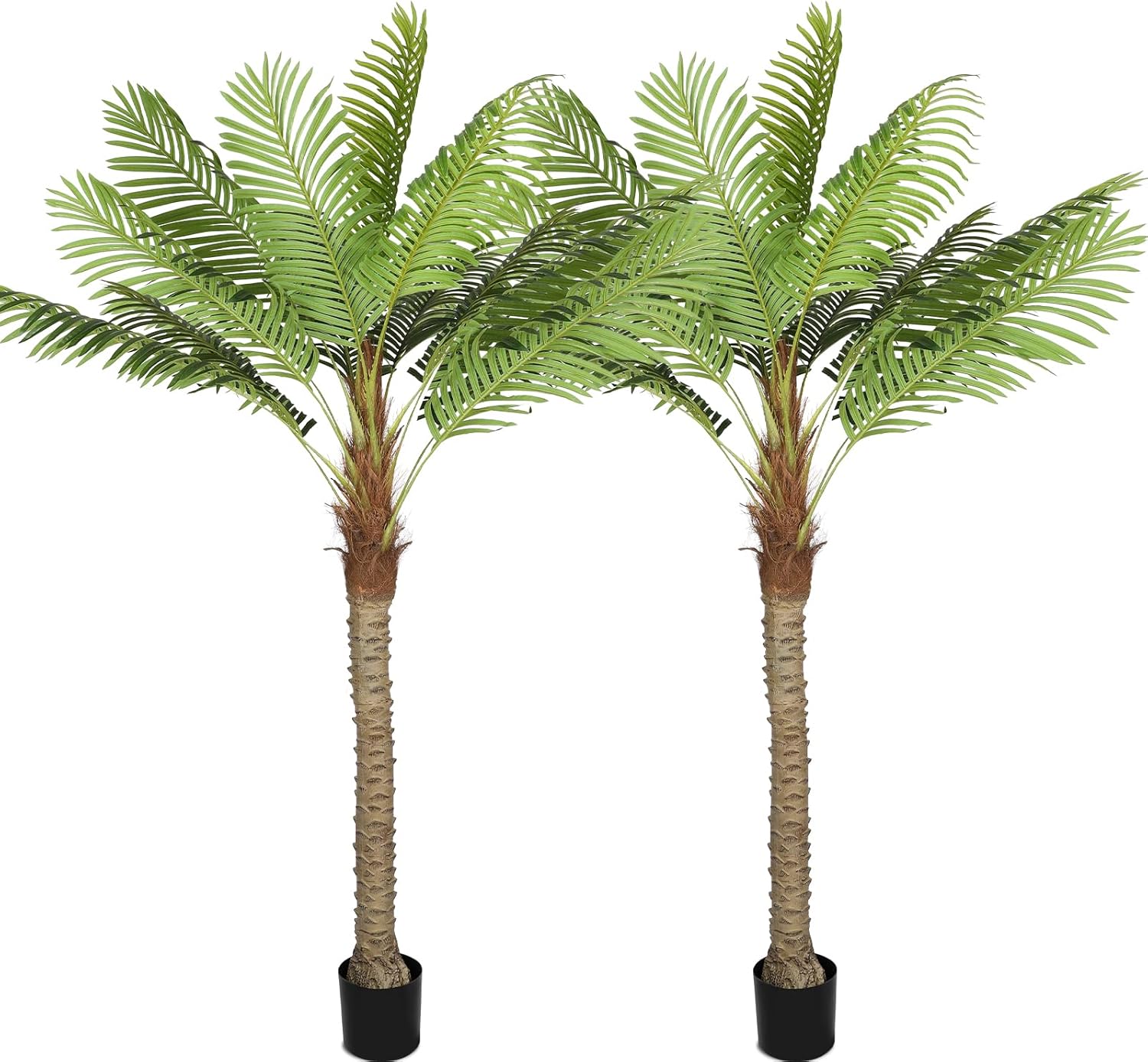
The debate over urban greenery and artificial trees raises critical questions about urban planning and sustainability moving forward. Some potential future perspectives include:
- Integrated Approaches: Urban planners should consider a hybrid model that combines real trees and green spaces with effective artificial solutions where necessary.
- Community Engagement: Involving local communities in the planning and maintenance of green spaces can foster a sense of ownership and promote environmental stewardship.
- Transparency and Education: Cities must provide clear information about the benefits and limitations of both real and artificial greenery to avoid misleading the public.
The Path Forward in Urban Greenery

The debate over urban greenery and the role of artificial trees underscores the complexities of creating sustainable urban environments. While technological advancements can offer certain benefits, they should not replace genuine efforts to plant and maintain real trees and green spaces. Urban planners must strike a balance, ensuring that initiatives are not merely greenwashing but are rooted in a commitment to sustainability and community well-being. As cities continue to evolve, the emphasis should remain on fostering true ecological health, enhancing livability, and preserving the natural beauty of urban landscapes. Ultimately, the future of urban greenery lies in the integration of real and artificial elements, guided by informed and engaged communities who prioritize genuine environmental stewardship.
